OHA Market Update Series - Nov 12,2025

National: The proposed 50-year mortgage aims to make homeownership more accessible by lowering monthly payments, but it comes with higher overall interest costs and slower equity growth. While it may provide short-term relief, experts caution that true affordability depends on increasing housing supply rather than extending loan terms.
Local: A new East Austin development, FiveOne, is planned to bring 344 apartments to the area, with half of the units priced below market rate to support a mix of income levels. The project aims to address housing affordability while contributing to the neighborhood’s growth and diversity.
Intrigued? Keep reading.
(4 minute read)
National Real Estate Update
Housing Trends, Interest Rates, and Market Forecasts
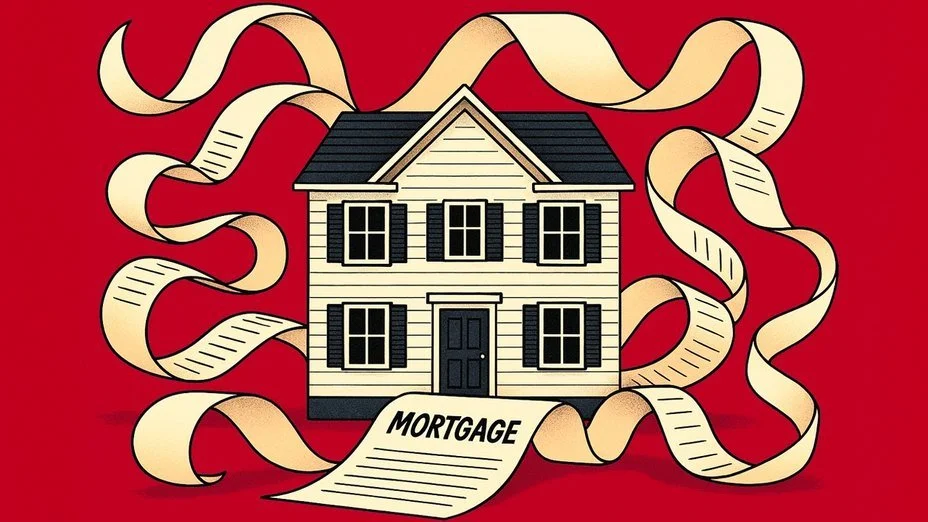
Understanding the Proposed 50-Year Mortgage: Potential Benefits and Risks
The idea of a 50-year mortgage has recently gained national attention, following a proposal by former President Donald Trump and discussion among housing policymakers. As someone who closely follows market trends and works with homebuyers navigating affordability challenges, I want to take a closer look at this concept — examining both the potential advantages and the significant drawbacks — to provide a balanced perspective on what it could mean for the future of homeownership.
What’s the idea?
Trump floated the concept of extending the typical home-loan term (usually ~30 years for a fixed mortgage) out to 50 years, to reduce monthly payments and make homeownership more accessible. The FHFA has described it as “a potential weapon in a wide arsenal” to address housing affordability.
The Pros (what can be good about it)
Here are some of the advantages of offering or choosing a 50-year mortgage:
Lower monthly payments. Because the loan is stretched out over more years, the monthly payment for principal + interest can be lower compared to a 30-year term. For example, one estimate: for a median-priced home (~$415,200) with a 10 % down payment and an interest rate around 6.17 %, the monthly payment on a 30-year loan would be about $2,288; on a 50-year loan, about $2,022.
Potential increased access for some buyers. For borrowers who feel squeezed by high monthly payments (especially first-timers or those with tighter budgets), the reduced payment can open the door to homeownership when otherwise it might feel out of reach. As one industry article noted: “lower monthly payments can open the door for more people to buy a home, especially first-time buyers.”
Flexibility in budgeting. If you’re buying a home and want to keep monthly outlays manageable (for example because you have other financial priorities, maybe you’re raising kids, maybe you have dog-care costs, etc.), a longer term may allow you more breathing room.
The Cons (and there are quite a few)
Here’s where many housing economists and industry folks raise caution flags:
You’ll pay much more interest overall. Extending from 30 years to 50 years dramatically increases the total interest paid over the life of the loan. One estimate: on a $400,000 home with a 10% down payment and 6.25% rate, a 30-year loan would incur about $438,156 in interest; a 50-year loan would incur about $816,396.
Equity builds much more slowly. Because in the earlier years of a mortgage you pay mostly interest (and very little principal), stretching the term means it takes far longer to build up meaningful home-equity. One article states: “With such a long loan term, you build equity very slowly … which limits wealth-building.”
Potential to trap homebuyers with debt into later years. If a first-time buyer is, say, ~40 years old (which is the median age today) and takes a 50-year loan, they’d be ~90 years old by the time it ends — that raises questions about retirement, inheritance, or freeing up cash flow.
Doesn’t solve the root problem: supply. Many housing experts emphasize that the big barrier to affordability is a shortage of homes (especially suitable ones) — more financing options may help with monthly cash flow, but if supply remains tight, prices will likely continue to rise. For instance: “More flexible financing is essentially a subsidy for housing demand… which will add to the pool and buying power of homebuyers without increasing the supply of homes, which will drive home prices up.”
Regulatory / legal hurdles and industry pushback. Currently under laws like the Dodd‑Frank Act, loans longer than 30 years are not considered “qualified mortgages” (which matters for lenders and for secondary market backing). Changing that requires significant legislative/ regulatory changes. Also, industry articles note that lenders may resist because they would be taking on longer-term risk (interest-rate risk, borrower risk, etc.).
What this means for you (and homebuyers)
Since I work with homebuyers (and know many folks around Austin navigating these decisions), here are some practical take-aways to consider if this type of loan becomes available in your market:
Run the numbers with scenarios. Ask: If you stretch to 50 years, what does the monthly payment actually become versus a 30-year (or 15-/20-year) loan? What is the total interest cost? If you build equity more slowly, how will that affect your future options (refinance, move, sell)?
Consider your time horizon & goals. If you expect to move in 5–10 years, or anticipate big life changes (kids, job change, paying for college, etc.), a longer-term loan may limit your flexibility. If you plan to stay in the home 20+ years and are comfortable with slower equity build-up, it may be more acceptable.
Think about your financial priorities. Homeownership is not just about paying monthly— it’s about wealth building, flexibility, risk management (what if rates go up, what if you need to sell, what if the job changes). A longer term may help now, but could hamper later.
Stay aware of market and policy changes. Because such a 50-year mortgage is not yet standard and faces regulatory challenges, check whether the product is truly offered, under what conditions (interest rate likely higher, changes in underwriting), and whether extra risk is built into the terms.
Don’t rely solely on financing fixes for home affordability. The housing market around Austin (and more broadly) is constrained by supply. So even if more buyers qualify via lower payments, if new home supply is not rising, competition and prices may continue upward.
Protect your long-term flexibility. Because a longer amortization means slower build-up of equity, consider how that affects down-the-road moves (for example relocating for job, upsizing/downsizing, retirement planning). Slow equity growth could make it harder to tap into your home value when you need it.
In short: If you’re thinking about a 50-year mortgage (or if one is offered), go in with eyes wide open. Use it strategically, but don’t think of it as the only way to solve affordability or as a guarantee of wealth building.
If you’re exploring your financing options or want to better understand what type of loan structure fits your long-term goals, I can connect you with a trusted local lender who can help find the right solution for your needs.
Reach out to me anytime to start a conversation about your path to homeownership and the financing options that make the most sense for you.
Austin Area Real Estate & Community Update:
Market Trends, Local News, and Neighborhood Insights
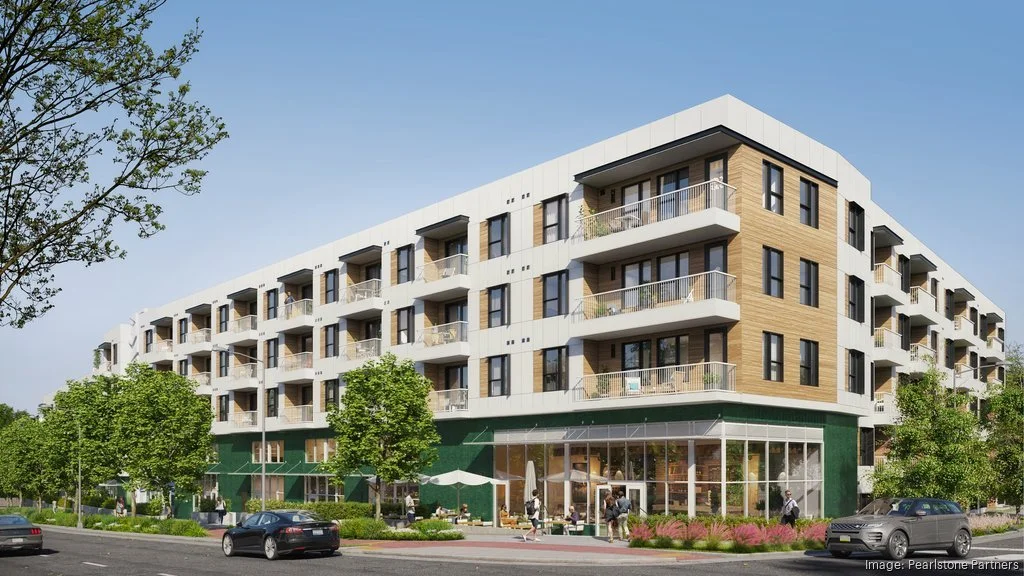
New Affordable Housing Project Could Bring Balance to East Austin’s Growing Market
A new East Austin project, FiveOne, could soon bring hundreds of apartments — half of them affordably priced — to one of the city’s most in-demand neighborhoods.
According to recent filings with the Texas Department of Licensing and Regulation and reporting from the Austin Business Journal, the FiveOne development is planned for 5525 E. 51st Street — just west of U.S. Highway 183. What makes this project stand out is its commitment to affordability: half of all units are expected to be priced below market rate.
Here’s a breakdown of what that means in practice:
20% of the apartments will be reserved for households earning 50% or less of the median family income (MFI) — that’s currently about $60,250 for a three-person household in Austin.
30% will be priced for households earning up to 80% of the MFI, or roughly $93,800.
The remaining 50% will be market-rate apartments.
The five-story building will total around 500,000 square feet, featuring a central seven-story parking garage and a mix of units designed to serve a range of income levels. Construction is currently projected to begin in January 2026 and finish by early 2028, though those dates could shift as plans evolve.
The 78723 ZIP code — where this project will be located — represents a unique cross-section of Austin. It has one of the city’s higher poverty rates (12.7%) but also a typical home value around $506,000, nearly $100,000 above the metro’s median sales price of $420,000. That contrast reflects the broader challenge we’re facing across Austin: rising property values alongside a persistent need for affordable, stable housing.
Projects like FiveOne won’t solve the affordability issue on their own, but they’re a meaningful step in the right direction. As East Austin continues to evolve, developments that include a true mix of income levels help preserve the diversity and vibrancy that make the community so special.
If you’ve been thinking about renting or buying in East Austin, now is a great time to explore what’s coming to the market. Whether you’re searching for a new construction home, a thoughtfully designed apartment, or a property that fits specific affordability goals, I can help you find the right home and neighborhood that aligns with your lifestyle and budget.
📩 Get in touch with me anytime to talk about what’s next for East Austin housing and how we can find a solution that fits your needs.

Jennifer Carey
Realtor and Agent Success Manager at Open House Austin, real estate investor, and renovation enthusiast with Wimberley Airbnbs. She loves mid-century modern design, hiking Austin with her dog, yoga and pilates, and has been enjoying gardening at her new home in East Austin🎶✨