The Rise of HOA Communities in New Construction: What Today’s Buyers Should Know

OHA Market Update Series - Dec 10, 2025
National: With nearly two-thirds of new homes now built inside HOAs, buyers are weighing the tradeoff between added amenities and the dues and restrictions that come with them. Understanding these pros and cons is essential when choosing your next home.
Local: Icon is bringing innovative 3D-printed luxury homes to The Canyon Club on Lake Travis, offering a stunning blend of modern design, durability, and resort-style living. With fractional ownership opportunities starting in the low $400s, it’s an accessible way to enjoy a high-end lakeside retreat without the full cost of traditional ownership.
Intrigued? Keep reading.
(4 minute read)
Austin Area Real Estate & Community Update:
Market Trends, Local News, and Neighborhood Insights
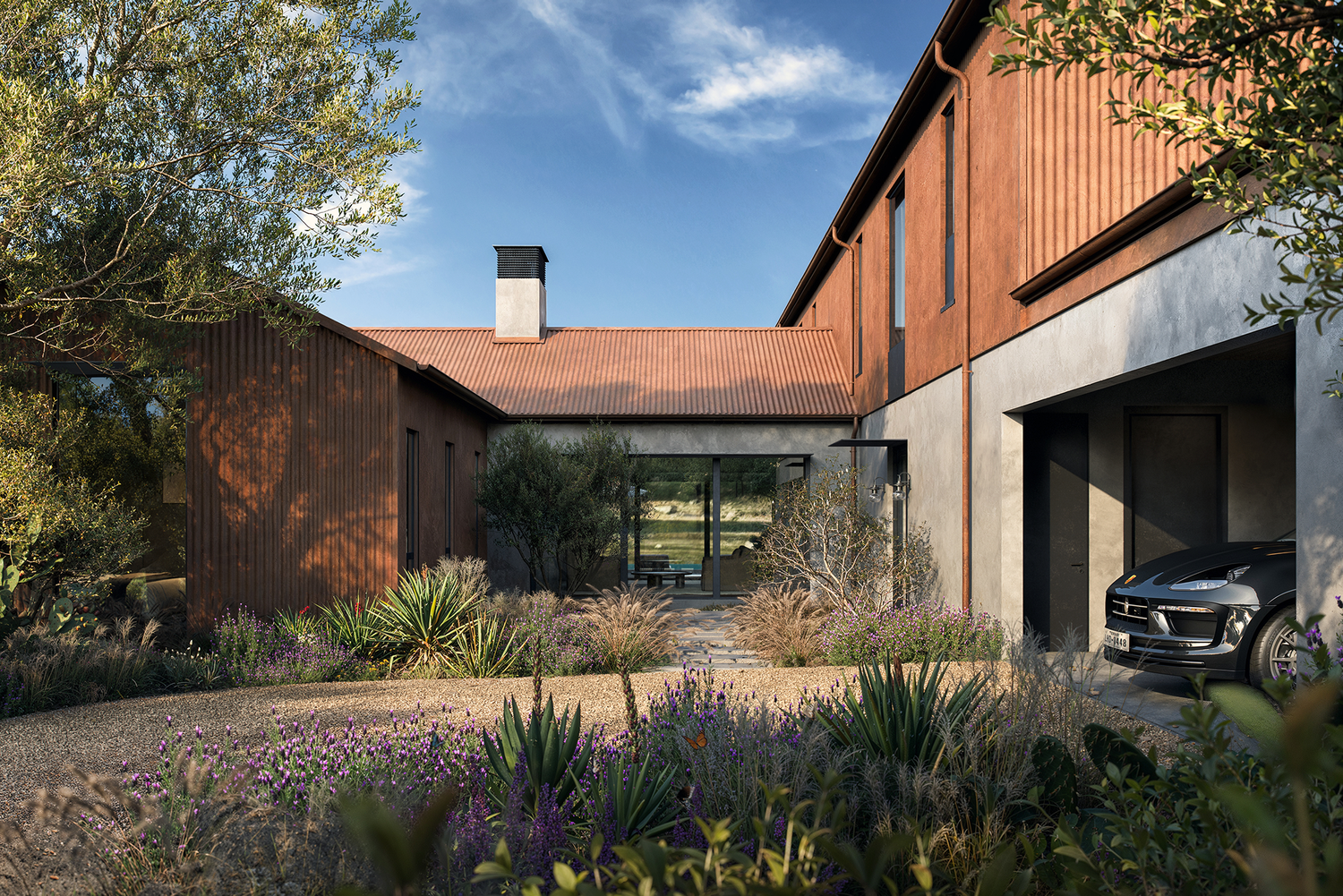
Why the 3D-Printed Homes at The Canyon Club Are Turning Heads — and Why You’ll Want to Hear More
If you’ve been dreaming about a lakeside escape near Austin that’s equal parts modern luxury and smart-home investment, you’ve got to see what’s happening right now at The Canyon Club on Lake Travis. The community is redefining what second-home living — and vacation-home ownership — can mean in Central Texas.
What is The Canyon Club
The Canyon Club is a 60-acre luxury residential resort under development in Spicewood, on the shores of Lake Travis.
The master plan includes a total of 25 homes: 20 of them traditional single-family homes, and 5 homes built using 3D-printing technology by ICON Technology Inc. (better known as ICON).
The traditional homes are full-ownership, high-end estates — think 5–6 bedrooms, larger footprints, and starting around $2.6 million.
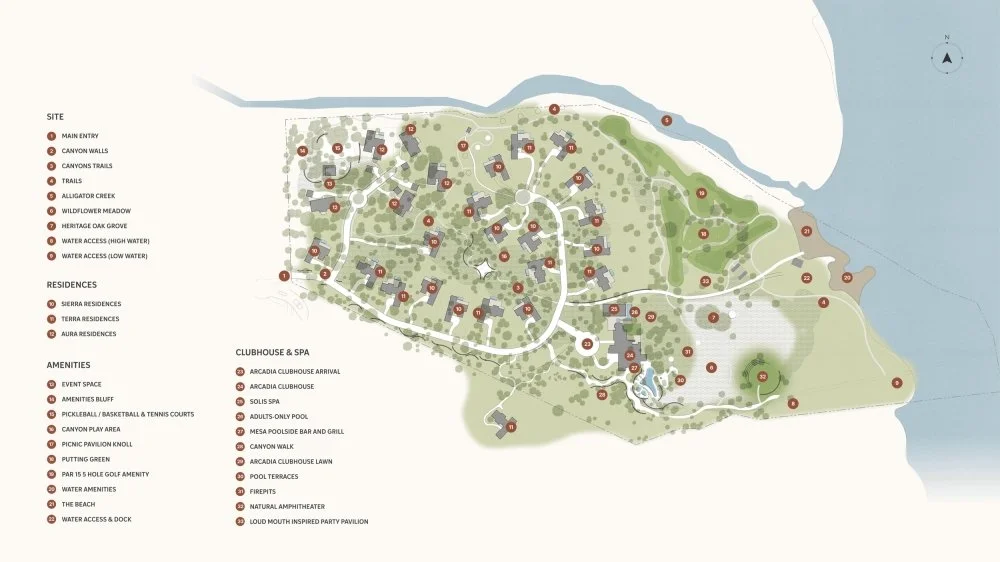
What Makes ICON’s 3D-Printed Homes Special
The ICON homes at The Canyon Club bring a fresh twist to luxury living by combining high-tech building methods with vacation-home convenience:
Each ICON residence is about 3,400 square feet with four bedrooms.
These homes are constructed using a cementitious material known as CarbonX, printed via robotic 3D techniques — a method that offers durability, energy-efficiency, and resilience (for example, able to withstand extreme weather conditions more readily than many traditional builds).
The architectural vision: a design that “echoes the surrounding canyons” and captures the spirit of lakeside, Hill Country living, while still offering modern, resort-style luxury.
Fractional Ownership — A Smart Alternative to Traditional Buying
What’s perhaps most compelling about these ICON homes is the fractional-ownership model. Instead of buying an entire home outright, you purchase a share — which offers an accessible entry point into luxury property.
Shares start in the low $400,000s.
Depending on the fraction (typically 1/8 of the property), owners get six weeks of annual personal use.
Along with property use, fractional owners receive full access to all of The Canyon Club’s shared amenities: private shoreline on Lake Travis, boat slips, resort-style pool and spa, fitness center, clubhouse, wine & dine experiences, and more.
If you’re not using the home during your weeks, there’s an option to participate in a managed rental program (via partners like Inspirato, ThirdHome, or Book-Above), making this not just a lifestyle choice — but potentially an income-generating investment.
Why It Matters: Sustainability, Luxury & Flexibility
The project at The Canyon Club isn’t just another upscale real-estate development; it represents a shift in how people might think about owning a home in Central Texas (and beyond).
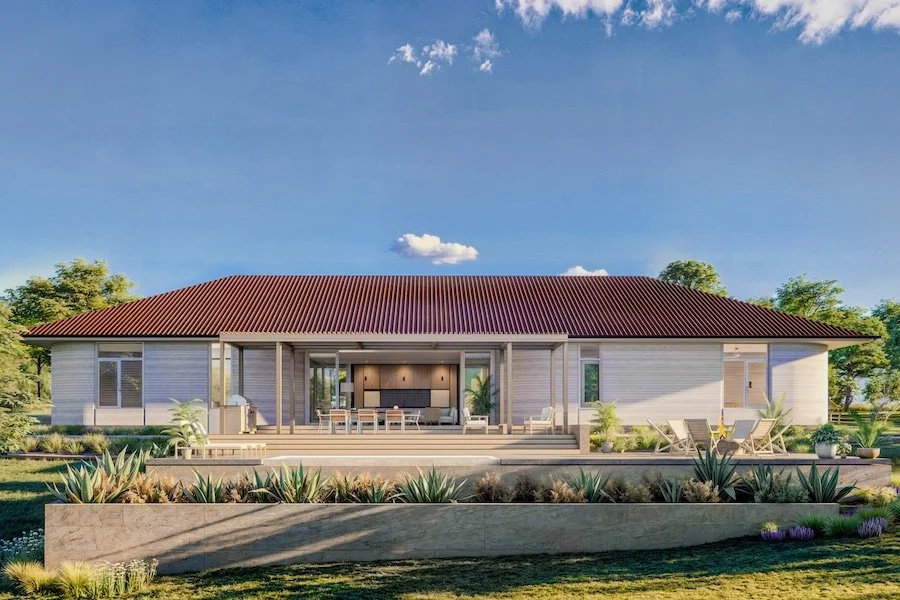
Using 3D-printing and CarbonX construction yields resilient, efficient homes that fit the Hill Country landscape — a blend of technology, sustainability, and design.
Fractional ownership offers flexibility rarely seen in luxury real estate — ideal for people seeking a second home, a vacation spot, or a legacy lake-house without the full cost (or commitment) of traditional ownership.
The broader resort-style community means you’re not just buying walls and a roof — you’re buying access to a lifestyle: private beaches, boating on Lake Travis, social amenities, and the luxury of coming to a fully serviced environment.
Your Opportunity: Be Among the First to Own
As of now, the ICON homes at The Canyon Club are generating a lot of buzz — and it’s easy to see why. If you’ve been searching for a lakeside second home near Austin that balances modern innovation, luxury, flexibility, and smart investing, this could be the rare opportunity you’ve been waiting for.
If you’d like to learn more about these homes — floorplans, shares available, how fractional ownership works, or how to get involved — I’d love to connect. Reach out to me and I’ll walk you through everything you need to know about owning a piece of this exciting new vision at The Canyon Club.
Let’s start the conversation 👇
National Real Estate Update
Housing Trends, Interest Rates, and Market Forecasts
The Rise of HOA Communities in New Construction: What Today’s Buyers Should Know
A major shift is happening in new construction: HOAs aren’t just common anymore—they’re quickly becoming the standard.
According to the National Association of Home Builders, 65.7% of all new single-family homes started in 2024 were built within an HOA or community association. That’s more than 650,000 homes—and a huge jump from just 47.6% fifteen years ago.
So what’s driving this rise? And more importantly, what does it mean for today’s buyers?
Let’s break it down in a way that actually makes sense when you're trying to choose the right home.
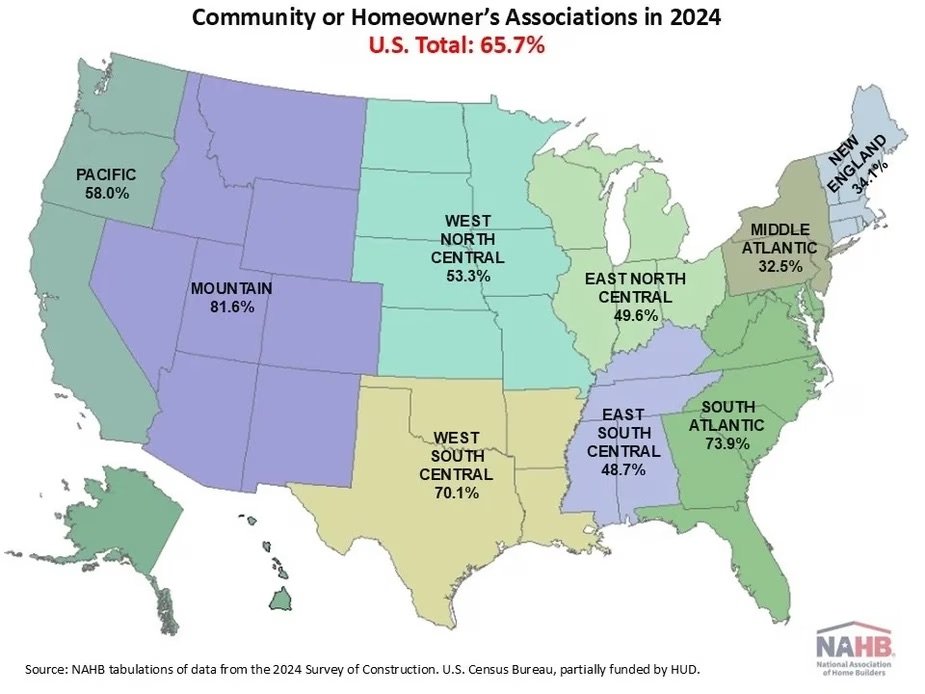
Among new single-family homes started in 2024, 65.7% were built within a community or HOA.
Why HOAs Are Becoming the Norm in New Construction
Builders aren’t just adding HOAs for fun—they’re doing it to stay competitive. Buyers today want more from their neighborhoods, and HOAs allow builders to package attractive amenities into one place, including:
Resort-style pools
Walking trails + pocket parks
Fitness centers
Community event spaces
Gated entries
Dog parks
Front-yard maintenance or pest control (varies by community)
In Austin and the surrounding suburbs—especially Leander, Liberty Hill, Kyle, Buda, and the Lake Travis area—amenity-driven master-planned communities are shaping much of the new-construction market.
Economists say builders see HOAs as the most cost-efficient way to offer desirable amenities at scale, which is why the trend keeps growing.
The Real Talk on HOA Fees
Let’s address the part everyone cares about: the cost.
Nationwide, 1 in 4 homeowners pays HOA or condo dues, with fees ranging widely based on amenities and location. The national median is $135 per month, but some states—like New York—run much higher with medians over $700.
Here in Central Texas, HOA dues typically land somewhere between $40–$150 monthly, with higher-amenity neighborhoods sitting above that.
Are HOAs an added cost? Yes. But they can also help preserve long-term property values and reduce personal upkeep. The key is knowing what’s covered and whether it aligns with your lifestyle.
The Rules: Loved by Some, Avoided by Others
People have strong feelings about HOAs.
Some love the maintained look of the neighborhood. Others don’t love being told what color their front door can be. Common HOA restrictions include:
Exterior paint colors
Fence styles
Parking rules
Lawn/landscape requirements
Adding sheds, pools, or exterior structures
Before falling in love with a home, it’s important to review the HOA documents carefully. I always walk my buyers through these so you know exactly what to expect.
The Pros & Cons—Because Both Matter
Pros
Well-maintained neighborhood appearance
Stronger long-term property values
Community amenities you don’t have to personally maintain
Social + recreational spaces
Predictable look + feel throughout the community
Cons
Monthly dues that may increase
Restrictions on exterior changes
Potential special assessments
Less autonomy over property decisions
Not every buyer wants an HOA home—and that’s okay. What matters is finding what aligns with your lifestyle, budget, and long-term vision.
The Bottom Line
HOA communities are becoming the new norm in new construction—and for many buyers, the amenities, upkeep, and neighborhood consistency add real value. For others, a non-HOA home offers the freedom and flexibility they prefer. The most important thing is understanding the tradeoffs so you can make an informed, confident choice.
Curious Which HOAs Are Actually Worth It in Austin?
Every community is different—and the right one depends on your budget, lifestyle, pets, commute, and long-term plans.
If you’re planning to buy in 2025 or 2026 and want help navigating which HOA communities are worth the cost (and which ones to skip), let’s connect.
I’m here to break it all down and help you explore the best options for your next home.
📩 Send me a message anytime to get started.

Jennifer Carey
Realtor and Agent Success Manager at Open House Austin, real estate investor, and renovation enthusiast with Wimberley Airbnbs. She loves mid-century modern design, hiking Austin with her dog, yoga and pilates, and has been enjoying gardening at her new home in East Austin🎶✨