Rainey Street Is Growing Up — And Finding Its Soul Again

OHA Market Update Series - Jan 28, 2026
Local: Rainey Street is entering a new era, shifting from a bar-centric strip into a walkable, mixed-use neighborhood built for everyday life. With construction winding down and new restaurants, housing, and community events taking shape, Rainey is finally finding its balance between growth and soul.
National: $100,000 is no longer the benchmark it once was, as inflation, housing costs, and rising expectations have shifted what workers consider a “successful” salary. In today’s market, both employees and employers need to rethink pay, benefits, and lifestyle factors — especially in high-cost cities like Austin.
Intrigued? Keep reading.
(4 minute read)
Austin Area Real Estate & Community Update:
Market Trends, Local News, and Neighborhood Insights
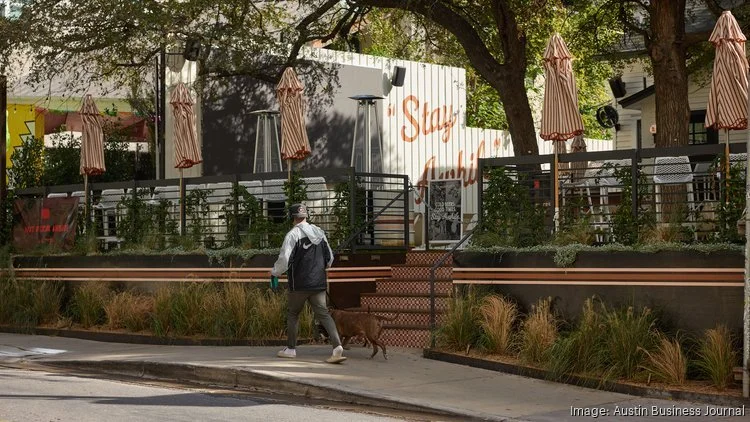
Rainey Street’s Next Chapter: Less Chaos, More Community
If you’ve lived in Austin long enough, Rainey Street probably holds a very specific memory for you. Maybe it was bungalow bars and yard games. Maybe it was a chaotic bar crawl you swore you were too old for even back then. Or maybe it was that weird in-between phase where cranes, dust, and closed sidewalks made you wonder if Rainey was ever going to recover.
Good news: it is. And it’s almost done.
According to a recent Austin Business Journal piece, Rainey Street is about 70% complete in its latest transformation, with expectations to be 90% finished by September. The cranes are finally coming down, sidewalks are walkable again, and businesses are opening their doors — not just for nightlife, but for daily life.
And that distinction matters.
From Bar Strip to 18-Hour Neighborhood
Rainey’s next chapter is less about bar hopping and more about being an 18-hour district — a place where you can grab coffee in the morning, work from a third space, hit the trail by Lady Bird Lake, shop a farmers market, have dinner, and yes… still stay out late if you want to.
You’re already seeing it:
New coffee shops and restaurants
Locals running and walking the trail during the day
Artists, pop-ups, and First Friday events
Influencers (love them or hate them) rediscovering the street
This isn’t accidental. Developers like LV Collective are intentionally shaping Rainey into something that feels more like a real neighborhood and less like a one-note entertainment zone.
What’s Opening (and Why It Matters)
Some highlights from what’s either newly open or coming soon:
Paseo, a 48-story tower now open and already more than half sold — which means real residents, not just weekend visitors.
Amaya, a Mediterranean restaurant, plus plans for a steakhouse and oyster bar.
Little Brother Bar reopening with coffee and cocktails.
Salvation Pizza shifting to a 24/7 model — breakfast, remote work vibes, and late-night slices for people who actually live nearby.
The Modern Bar, designed to evolve from morning coffee to evening cocktails.
As a real estate person, this is the part I watch closely: when food, coffee, and walkability improve, property values and livability follow.
Holding Onto the Heart of Old Rainey
One thing I really appreciate? There’s a genuine effort to preserve what made Rainey special in the first place.
Instead of wiping everything out, developers are:
Keeping bungalows active and leased
Supporting food trucks like Veracruz Tacos and Besame at the “Always Something” lot
Repurposing existing structures instead of replacing everything with towers
One quote from the article really stuck with me: “If we lose that, we lose the soul.” And honestly? That’s the balance Austin struggles with everywhere.
Growth isn’t the problem. Thoughtless growth is.
What’s Still Missing (For Now)
Even with all the progress, Rainey isn’t “done.” There’s still room — and demand — for:
Health & wellness spaces
More everyday dining options alongside higher-end restaurants
The return of convention traffic once the Convention Center reopens (that’s a few years out)
But that also means opportunity.
Why This Matters (Especially If You Live in Austin)
Rainey Street’s evolution is a case study in where Austin is headed:
Denser, more walkable neighborhoods
Mixed-use living
Lifestyle-driven real estate value
A push to blend old Austin charm with new Austin reality
Whether you’re a homeowner, renter, investor, or just someone who loves this city, Rainey’s comeback is worth paying attention to.
It’s not the Rainey of 2012.
It’s not trying to be.
And honestly? That might be the best part.
National Real Estate Update
Housing Trends, Interest Rates, and Market Forecasts

$100K Isn’t What It Used to Be — Here’s What That Means for Workers and Employers
Remember when hitting six figures felt like “made it”? That milestone used to mean financial freedom, bragging rights, maybe even a little swagger at the office. Fast forward to 2026, and $100,000 just doesn’t cut it anymore — at least not in the way it used to.
Inflation, housing costs, and rising expectations have completely shifted the pay landscape. According to a recent Austin Business Journal report, $100,000 in 2000 would need to be $183,000 today to match the same purchasing power. And post-pandemic? That same number jumps to $125,000 just to keep pace with costs. Meanwhile, Americans increasingly view a “successful” salary as $270,000 — with younger generations, especially Gen Z, aiming even higher.
New college grads illustrate the mismatch perfectly. Many expect $101,500 as a starting salary, but the reality is closer to $68,400. Student debt, inflation, and the cost-of-living crunch are pushing workers to negotiate harder and think differently about what their pay should really cover.
This isn’t just about the number on a paycheck — it’s about lifestyle, security, and career trajectory. Workers are factoring in benefits, remote work flexibility, and location, not just the dollar figure. And for employers, that means compensation strategies need to evolve. It’s no longer enough to hit a nice round number — companies have to consider holistic packages that attract and retain talent.
There’s also a subtle generational tug-of-war happening. Baby Boomers grew up thinking $100K was the sweet spot. Millennials, Gen X, and Gen Z are raising the bar. At the same time, older workers worry their age could block new opportunities, even as more of them stay in or return to the workforce.
For anyone navigating the modern job market, the takeaway is clear: $100K is still good, but it’s no longer the finish line. Whether you’re negotiating your next raise, hiring talent, or planning your career, understanding the bigger picture of pay, lifestyle, and location is more important than ever.
Wondering how rising salaries and shifting expectations affect your ability to buy or sell a home in Austin? Let’s connect — I can help you navigate the market, find the right property, and make smart moves for your lifestyle and budget.

Jennifer Carey
Realtor and Agent Success Manager at Open House Austin, real estate investor, and renovation enthusiast with Wimberley Airbnbs. I love mid-century modern design, hiking Austin with my dogs, yoga and pilates, and have been enjoying gardening at my home in East Austin🎶✨